
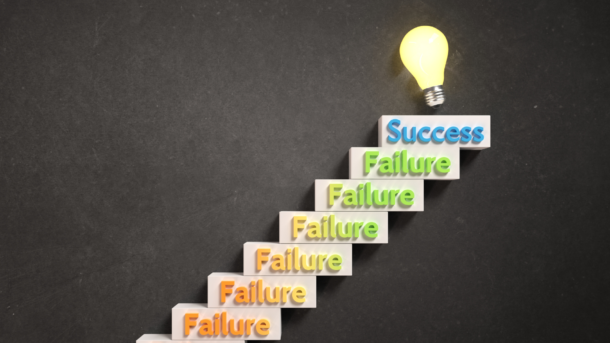
Failure is often seen as a setback or a negative outcome, but it holds significant value as a learning tool. When approached objectively, failure reveals what doesn’t work, offering clear insights that success alone cannot provide. Understanding failure as an opportunity to learn helps individuals and organisations improve and innovate more effectively.
By analysing mistakes and shortcomings, people can identify gaps in knowledge, refine skills, and develop resilience. This mindset shifts the focus from fear of failure to curiosity and growth, making it easier to adapt and overcome future challenges. Failure, therefore, becomes a necessary part of progress rather than an obstacle to avoid.
Why Failure Is Essential in the Learning Process
Failure often provides critical insights that cannot be gained without experiencing setbacks. It pushes individuals to reassess their methods, encourages deeper understanding, and creates real opportunities for improvement in various areas.
Learning Through Mistakes
Mistakes are a core component of effective learning. When someone fails, they receive direct feedback that highlights incorrect assumptions or errors in strategy. This feedback is invaluable as it reveals what does not work, prompting learners to adjust their approach.
By analysing failures, individuals identify gaps in knowledge and areas needing further practice. This process helps convert passive experience into active learning. Failure’s role is not just to show mistakes but to guide learners toward more successful methods through thoughtful reflection.
Failure as a Catalyst for Growth
Failure acts as a trigger for personal and professional growth. It encourages resilience by challenging individuals to overcome discomfort and uncertainty. Facing setbacks enables learners to toughen their mindset and persevere.
Experiencing failure also fosters creativity. It forces learners to think differently, explore alternatives, and innovate solutions previously unconsidered. Growth arises not despite failure, but because of the need to respond effectively to it.
Turning Setbacks Into Opportunities
Setbacks should be viewed as opportunities rather than endpoints. They provide real-world scenarios to apply theoretical knowledge and develop practical skills. By treating failure as a learning opportunity, individuals convert negative experiences into constructive outcomes.
Successful learners use failure to test hypotheses, refine techniques, and build stronger strategies. This deliberate approach maximises the learning process and transforms what seems like a loss into a valuable experience that drives future success.
Reframing Failure as a Valuable Learning Tool
Failure often reveals hidden insights that success may not provide. Recognising failure as a step in growth encourages perseverance, shifts mindsets, and highlights effort rather than just results.
Shifting Mindsets About Mistakes
Changing the way a person views mistakes is crucial. Instead of seeing failure as a fixed state or a reflection of ability, it should be understood as a signal that more learning is needed. This mindset encourages curiosity and reduces fear, allowing people to analyse errors objectively.
Seeing failure as an essential part of improvement motivates someone to keep refining skills, not avoid challenges. It moves the focus from blame to growth, which fosters an environment where experimentation and risk-taking become acceptable and even encouraged.
Embracing Failure for Resilience
Resilience builds when people accept failure as an inevitable experience rather than a stop sign. Each setback provides a chance to develop mental toughness by learning how to recover and adapt. This process strengthens emotional endurance, enabling quicker recovery from future obstacles.
By embracing failure, a person develops a growth-oriented approach. This reduces discouragement and builds persistence over time. Resilience gained from accepting failure shapes a more confident and adaptable mindset in the face of adversity.
Highlighting Effort Over Outcomes
Focusing on effort instead of results helps maintain motivation despite setbacks. When effort is valued, people recognise the process of trying as meaningful, regardless of the immediate outcome. This perspective supports continuous improvement and guards against discouragement from temporary failure.
Encouraging persistence emphasises the journey of skill development rather than the endpoint. It aligns behaviour with long-term goals and nurtures perseverance. Rewarding effort promotes a culture where learning is ongoing, and failure is simply a part of that process.
Harnessing Failure for Personal and Professional Development
Failure provides concrete opportunities to refine skills and reshape approaches. It plays a crucial role in enhancing personal resilience, advancing career paths, and fostering innovation by encouraging critical reflection and adaptation.
Building Personal Growth Through Setbacks
When individuals encounter failure, they are forced to assess their weaknesses and strengths honestly. This self-assessment is essential for personal growth, as it reveals specific areas requiring improvement.
Experiencing setbacks cultivates emotional resilience. By learning to manage disappointment and stress, a person strengthens their capacity to face future challenges calmly and effectively.
Failure also encourages goal refinement. People often adjust their objectives based on past mistakes, making their plans more realistic and achievable. This iterative process fuels ongoing personal development.
Leveraging Failure in Professional Settings
In professional environments, failure serves as a feedback mechanism to improve work methods and decision-making. Organisations that analyse mistakes systematically can reduce repetition and enhance productivity.
Professionals who accept and learn from errors often develop better problem-solving skills. This mindset is valued in many industries, as it promotes agility and continuous skill acquisition.
Employers who encourage transparent discussion of failures contribute to a culture of trust and innovation. Employees feel supported in taking calculated risks, which can lead to growth and new opportunities.
Driving Innovation and Continuous Improvement
Failure is intrinsic to innovation, as it highlights what does not work. This trial-and-error approach allows teams to test ideas rapidly and discard ineffective solutions.
Continuous improvement depends on recognising shortcomings and iterating on processes or products. Failure provides the data needed to refine innovations systematically.
By embracing failure, organisations create an environment where experimentation thrives. This atmosphere is essential for breakthrough developments and long-term competitive advantage.
Practical Strategies to Learn From Failure
Learning from failure requires deliberate action to gain insights, make improvements, and develop resilience. Taking the time to analyse experiences and apply changes fosters perseverance and continuous personal growth.
Reflecting to Extract Lessons
Reflection helps uncover the root causes of failure and turns setbacks into learning opportunities. He or she should ask specific questions: What went wrong? Why did it happen? What could have been done differently?
Writing down thoughts or discussing the experience with a trusted colleague or mentor can deepen understanding. This process highlights patterns, informs decisions, and prevents repeating the same mistakes in the future.
Implementing Changes After Mistakes
Identifying lessons is only valuable if followed by concrete adjustments. After reflection, the individual must create an action plan that addresses weaknesses or errors.
Changes can include refining skills, altering strategies, or improving communication. Setting clear, measurable goals tied to these adjustments helps track progress and reinforces the habit of learning from failure.
Cultivating Lifelong Learning Habits
Developing a mindset that views failure as part of ongoing growth supports perseverance. He or she should actively seek feedback, embrace challenges, and remain open to new approaches.
Building routines such as regular self-assessment or journaling fosters continuous reflection and adaptation. Over time, these habits create a resilient attitude that transforms failure into a productive experience.