
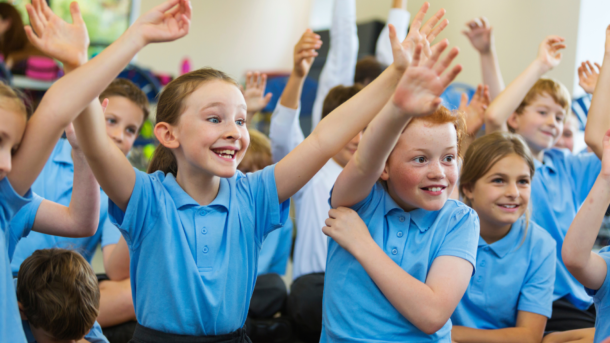
Keeping children motivated in school is essential for their academic success and personal growth. Encouraging a positive attitude towards learning, setting achievable goals, and providing consistent support are key ways to help children stay motivated. Motivation often wanes when children feel overwhelmed or disconnected from their studies.
Parents and teachers can foster motivation by recognising individual interests and strengths, which makes learning more relevant and engaging. Clear communication and celebrating small achievements also help maintain a child’s enthusiasm over time. By understanding these strategies, caregivers can create an environment where children feel confident and driven to succeed.
Understanding Motivation in Children
Children’s motivation in school often depends on different sources and psychological factors. Recognising how these influences work can help adults support children effectively.
Types of Motivation: Intrinsic and Extrinsic
Motivation in children can be divided into intrinsic and extrinsic types. Intrinsic motivation arises when a child engages in learning for personal satisfaction or interest, such as enjoying reading or solving problems. This type is linked to deeper engagement and longer-lasting motivation.
Extrinsic motivation involves external rewards or pressures, like praise, grades, or avoiding punishment. While it can prompt short-term effort, children reliant on extrinsic motivation may lose interest once rewards stop.
Balancing these types is crucial. Encouraging mastery goals, where children focus on improving skills rather than just receiving rewards, helps develop intrinsic motivation.
The Role of Self-Determination and Self-Efficacy
Self-determination theory highlights the importance of autonomy, competence, and relatedness in motivating children. When children feel they have control over their learning and believe they can succeed, motivation increases.
Self-efficacy refers to a child’s confidence in their ability to complete tasks and overcome challenges. High self-efficacy leads to persistence and effort despite difficulties, while low self-efficacy may cause avoidance and frustration.
Teachers and parents can strengthen self-efficacy by providing tasks with appropriate difficulty, recognising effort, and encouraging a growth mindset. This directly impacts motivation in school and long-term academic outcomes.
Common Barriers to Staying Motivated
Several obstacles can undermine motivation in children. Fear of failure, lack of support, and unclear goals often reduce their drive to engage with schoolwork.
Inconsistent feedback or overly controlling environments may also diminish a child’s sense of autonomy, lowering intrinsic motivation. Additionally, distractions and competing interests outside school can affect focus and commitment.
To address barriers, it is important to set realistic expectations and create a positive environment where children feel capable and supported. Identifying specific challenges for each child can help tailor motivation strategies effectively.
Building a Supportive Learning Environment
Creating the right conditions at home can help children focus and enjoy learning. Consistent routines, an organised space, and the appropriate use of technology support different learning styles and promote productive study habits.
Creating an Effective Study Space
A dedicated study space helps minimise distractions and signals to the child that it is time to focus. It should be well-lit, quiet, and organised with necessary supplies easily accessible.
Furniture should support good posture, such as an adjustable chair and a desk at the right height. Personal touches can be added, but should not cause clutter.
The study space must be consistent to build a habit. For example, using the same chair and desk every day helps the brain associate that area with learning.
Establishing Routines and Good Study Habits
A daily schedule using a calendar or planner helps children manage time and plan for assignments or exams. Routines create predictability and reduce procrastination.
Short, focused study sessions with planned breaks support concentration better than long, continuous periods. Parents can encourage goal-setting for each session.
Encouraging regular review of notes or homework helps reinforce learning. Establishing a specific time for study each day builds discipline, adapting to the child’s natural energy levels.
Incorporating Technology and Educational Apps
Educational apps can provide interactive learning tailored to different learning styles. Apps for subjects like maths, languages, and science can make abstract concepts more understandable.
Technology should be used purposefully without becoming a distraction. Setting limits on screen time and choosing quality educational tools is essential.
Parents can monitor progress through app reports and use these insights to support improvement. Combining digital tools with traditional methods offers a balanced approach.
Practical Strategies to Motivate Your Child
Motivation improves when children feel supported, set clear goals, and develop independence. Practical steps include recognising progress, defining realistic objectives, fostering resilience, and encouraging a mindset focused on learning rather than only results.
Positive Reinforcement and Celebrating Achievements
Positive reinforcement strengthens motivation by acknowledging effort and success. Parents can use a reward system that includes verbal praise, small treats, or privileges immediately after demonstrated progress.
Celebrating achievements, no matter the size, builds confidence. For example, displaying a child’s best work at home or sharing milestones with family emphasises the value of effort. Positive reinforcement helps children link good behaviour and hard work with satisfaction.
Consistency is essential. Rewards should match the achievement to maintain credibility. Avoid overpraising to prevent dependency on external rewards instead of intrinsic motivation.
Goal Setting and Achievable Targets
Setting clear and achievable goals helps children focus and track their progress. Breaking larger tasks into smaller, manageable steps reduces overwhelm and provides frequent chances for success.
Parents should involve children in setting these goals to increase commitment. Specific goals, such as reading a chapter daily or completing homework before dinner, are better than vague aspirations like “do better at school”.
Tracking achievements visually, through charts or checklists, reinforces success and allows for adjustments. Goal setting teaches time management and prioritisation, which are skills essential for lifelong learning.
Encouraging Autonomy and Growth Mindset
Encouraging autonomy means allowing children to make choices about their learning. When children decide how and when to study, it increases their intrinsic motivation and responsibility.
Promoting a growth mindset helps children see challenges as opportunities. Reframing failures as learning experiences supports persistence and reduces fear of mistakes.
Parents can model this attitude by praising effort over ability and encouraging curiosity. Helping children understand that intelligence and skills develop through effort motivates them to embrace difficulties rather than avoid them.
Building Self-Discipline and Resilience
Self-discipline is a skill developed through consistent routines and clear expectations. Establishing study times and minimising distractions creates an environment conducive to focus.
Resilience develops when children learn to handle setbacks without losing motivation. Encouraging reflection on what went wrong and brainstorming solutions builds coping skills.
Parents can support resilience by teaching problem-solving strategies and emphasising the value of sustained effort. Combining self-discipline with resilience equips children to maintain motivation even during difficult tasks.
Engagement Beyond Academics
Keeping children motivated in school requires attention to their experiences outside of strictly academic tasks. Providing support in communication, physical activity, social connection, and family involvement builds a foundation for sustained engagement and academic success.
Active Listening and Open Communication
Active listening helps children feel understood and valued, which strengthens their motivation to learn. When adults genuinely listen, they demonstrate relatedness and respect, encouraging children to share thoughts and challenges openly.
Open communication creates a space where children can express frustrations or excitement about school. This dialogue allows adults to respond with guidance tailored to the child’s needs, fostering a supportive environment that reinforces motivation.
Teachers and parents should consistently ask questions that invite the child’s perspective, showing that their opinions matter. This approach cultivates trust and helps children develop confidence in their learning journey.
Importance of Extracurricular Activities and Physical Activity
Participation in extracurricular activities connects children to interests beyond academics. These activities enhance skills like teamwork, time management, and responsibility, which contribute to overall motivation and confidence.
Physical activity, including organised sports or daily exercise, improves concentration and reduces stress, making academic tasks more manageable. Schools and families should encourage regular movement to support both mental and physical well-being.
Extracurricular engagement offers a sense of achievement and belonging, which are crucial for a child to stay motivated in school over the long term. Balancing these activities with academic demands is important to avoid burnout.
Parent Involvement and Collaborative Learning
Active parent involvement directly affects a child’s motivation and academic success. When parents engage in homework, attend school events, and discuss learning goals, children receive clear signals that education is valued.
Collaborative learning opportunities, where children work with peers or family members, promote shared responsibility and motivation. This interaction encourages problem-solving and deeper understanding through discussion.
Parents and educators should create routines supporting consistent collaboration. These might include study groups, parent-child reading sessions, or joint project work, all of which reinforce the child’s engagement in school.
Supporting Social-Emotional Learning
Social-emotional learning (SEL) equips children with skills such as self-awareness, managing emotions, and building relationships. These skills enhance their ability to handle challenges and stay motivated in school.
SEL programmes or strategies that promote empathy and resilience help children navigate academic pressures and peer interactions. Strengthening emotional regulation supports concentration and persistence in learning tasks.
Teachers and parents can integrate SEL by modelling positive behaviours and providing structured activities focused on emotional skills. This support creates a balanced learning environment that values both academic and personal growth.